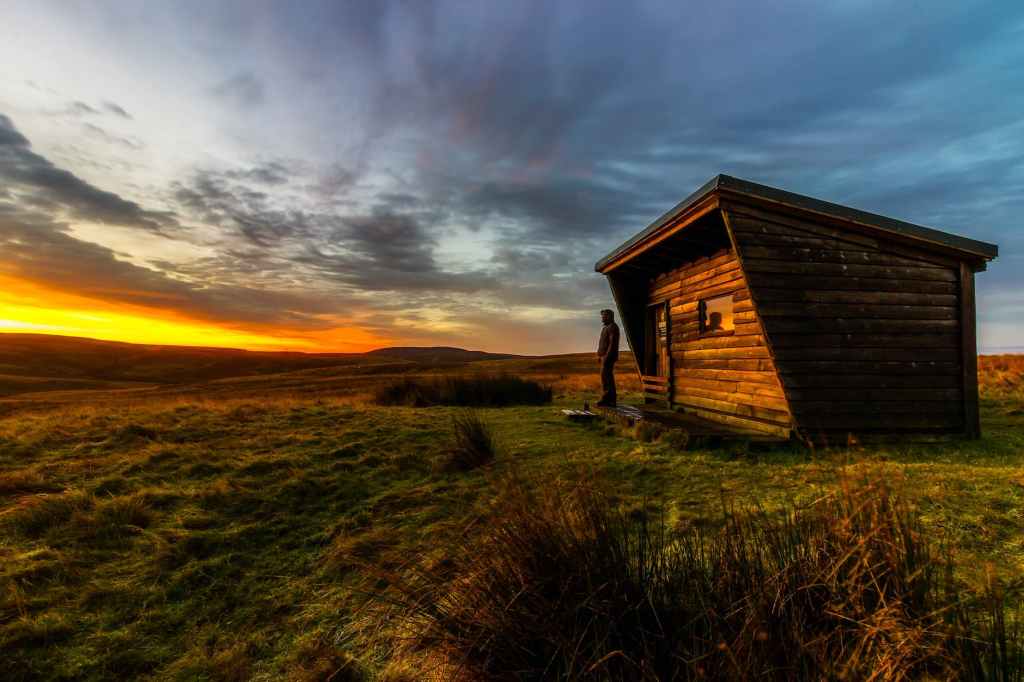
As the world faces various environmental and societal challenges, more people are looking for alternative living styles that offer a sustainable and innovative way of life. Alternative living styles refer to any lifestyle that differs from the mainstream way of living and typically involves reducing one’s environmental impact while promoting social and economic equality. In this blog post, we will explore some of the most popular alternative living styles and their benefits.
- Tiny Homes
Tiny homes are an excellent example of an alternative living style that has gained immense popularity in recent years. These are compact and portable homes that are designed to minimize the carbon footprint and reduce overall energy consumption. Tiny homes typically range between 100 and 400 square feet and are built with environmentally friendly materials such as reclaimed wood and recycled metal. Living in a tiny home not only reduces one’s environmental impact but also encourages a minimalist lifestyle, which can lead to greater financial freedom and less stress.
- Off-Grid Living
Off-grid living refers to living without access to public utilities such as electricity, water, and gas. This alternative living style requires people to generate their own power through solar panels, wind turbines, or other renewable sources. Off-grid living also involves collecting and storing rainwater, composting waste, and growing one’s food. This lifestyle promotes self-sufficiency and reduces reliance on external sources of energy, making it an ideal choice for those who are looking to reduce their carbon footprint.
- Cohousing
Cohousing is an alternative living style that involves living in a community with like-minded people who share common spaces and resources. Cohousing communities typically consist of several households that share a communal kitchen, dining area, and recreational spaces. This alternative living style promotes social and economic equality, encourages collaboration, and fosters a sense of community.
- Communal Living
Communal living is another alternative living style that involves living with other people in a shared living space. Unlike cohousing, communal living often involves a larger group of people who share a living space, resources, and responsibilities. Communal living can take many forms, including intentional communities, communes, and ecovillages. This alternative living style promotes collaboration, mutual support, and resource sharing, which can lead to greater financial and social sustainability.
- Nomadic Living
Nomadic living refers to living a life of constant travel and exploration, often in a small mobile home such as a camper or van. This alternative living style offers the freedom to live life on one’s terms, explore new places, and meet new people. Nomadic living also encourages minimalism and simplicity, as living in a small mobile home requires one to downsize and prioritize what is essential.
In conclusion, alternative living styles offer a range of sustainable and innovative ways of living that promote environmental and social sustainability. Whether you’re interested in living in a tiny home, going off-grid, or living in a communal space, there are many options available that can help you live a more sustainable and fulfilling life. By exploring alternative living styles, you can reduce your carbon footprint, foster a sense of community, and live life on your terms.
 Hippies and Heathens