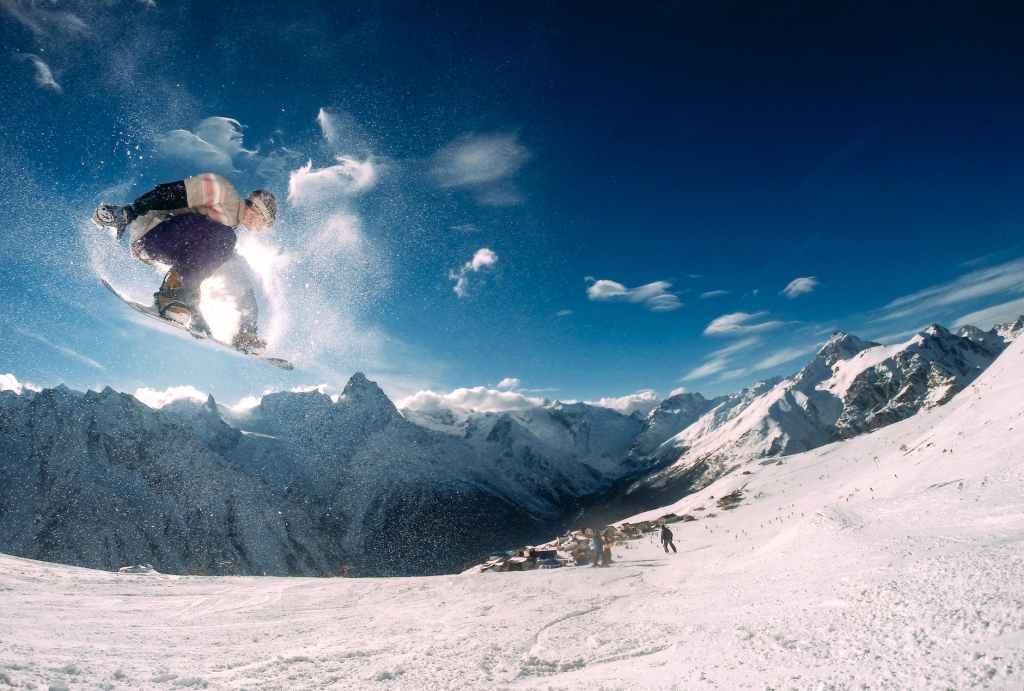
Snowboarding is a thrilling winter sport that has been gaining popularity in recent years. It is an outdoor activity that involves gliding down snow-covered slopes on a board, usually with both feet attached to the board. Snowboarding requires a combination of balance, agility, and skill, making it a challenging but rewarding sport for those who love adventure.
History of Snowboarding
Snowboarding has a relatively short history compared to other winter sports such as skiing. The sport began to emerge in the 1960s and 1970s when people started to experiment with different ways of riding on snow. In the early days, snowboards were made by attaching bindings to a skateboard deck. However, snowboards have since evolved to become more specialized and designed specifically for snowboarding.
The first Snowboarding World Cup was held in 1983, and the first Winter Olympics to include snowboarding as a medal event was in 1998. Since then, snowboarding has become a popular competitive sport and is also enjoyed by recreational riders around the world.
Types of Snowboarding
There are several types of snowboarding, each with its own unique style and set of skills. These include:
- Freestyle Snowboarding: This involves performing tricks and jumps on a terrain park’s obstacles such as rails, jumps, and half-pipes.
- Alpine Snowboarding: This involves carving down groomed slopes at high speeds, making quick turns and jumps.
- Backcountry Snowboarding: This involves riding in natural and untouched snow away from the resort’s groomed slopes, often involving hiking or taking a helicopter to access remote areas.
- Freeride Snowboarding: This involves a combination of freestyle and alpine snowboarding, where riders use the terrain’s natural features to perform tricks and jumps.
Equipment Needed for Snowboarding
Snowboarding requires specialized equipment, including:
- Snowboard: The snowboard is the most important piece of equipment for snowboarding. It should be the right size and shape based on the rider’s skill level and preferred riding style.
- Bindings: Bindings attach the rider’s feet to the snowboard and are essential for control and stability.
- Boots: Snowboarding boots are designed to provide support and comfort while also keeping the feet warm and dry.
- Helmet: A helmet is a must-have for snowboarding. It provides protection for the head in the event of a fall or collision.
- Goggles: Goggles protect the eyes from the sun, wind, and snow, allowing the rider to see clearly while snowboarding.
Safety Precautions
Snowboarding is an exciting and fun sport, but it can also be dangerous if proper safety precautions are not taken. Some tips for staying safe while snowboarding include:
- Take lessons: Even if you’re an experienced rider, it’s always a good idea to take lessons to learn new skills and techniques.
- Wear protective gear: Always wear a helmet, goggles, and other protective gear.
- Know your limits: Don’t attempt tricks or terrain that are beyond your skill level.
- Check the weather conditions: Snowboarding should only be done in safe weather conditions, with good visibility and reasonable snow conditions.
Conclusion
Snowboarding is a thrilling and exciting winter sport that has something to offer for riders of all ages and skill levels. Whether you’re a seasoned rider or a beginner, snowboarding provides an opportunity to enjoy the winter weather and get some exercise while having fun. Just remember to take the necessary safety precautions and enjoy the ride!
 Hippies and Heathens