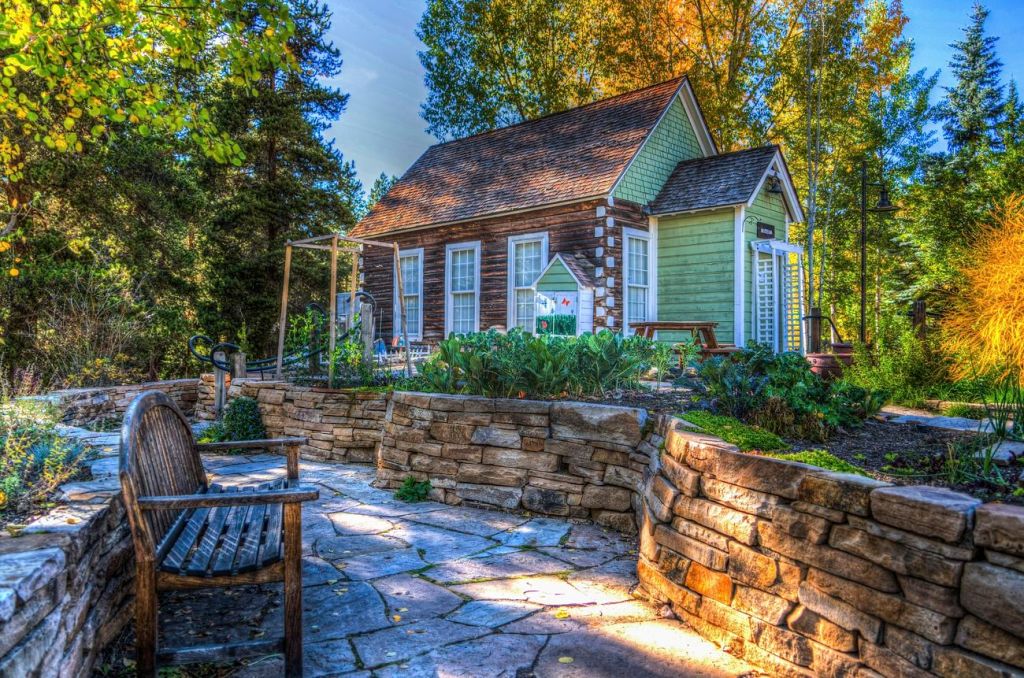
Tiny houses have become a popular trend in recent years, as people seek more sustainable and minimalist lifestyles. These homes typically measure less than 400 square feet and are designed to maximize space efficiency, often featuring multi-functional furniture and innovative storage solutions. In this blog post, we’ll explore the benefits and challenges of tiny houses and why they’re becoming increasingly popular.
First and foremost, tiny houses are often more affordable than traditional homes. The cost of building or purchasing a tiny home is significantly lower than that of a standard house, which makes them an attractive option for those looking to downsize or save money on housing. In addition, tiny homes typically require less maintenance and utilities, which can lead to significant cost savings over time.
Another major benefit of tiny houses is their environmental impact. These homes use fewer resources to build and maintain, and their small size encourages a simpler, more sustainable lifestyle. Tiny houses also typically feature energy-efficient appliances and lighting, which reduces their overall carbon footprint. For those who value sustainability and eco-friendliness, a tiny home can be a great option.
In addition to cost and sustainability, tiny houses offer unique design opportunities. Because of their small size, every inch of a tiny home must be carefully considered and optimized for efficiency. This often leads to creative solutions such as lofted sleeping areas, fold-down tables, and hidden storage compartments. These innovative design features can make tiny homes feel surprisingly spacious and comfortable, despite their small footprint.
Despite the many benefits of tiny houses, there are also some challenges to consider. For one, living in a tiny home requires a significant downsizing of possessions and a shift in mindset towards minimalist living. It can be difficult to adjust to such a small living space, especially for those accustomed to larger homes. In addition, zoning laws and regulations can vary widely by location, which can make it difficult to find a legal and appropriate place to park or build a tiny home.
In conclusion, tiny houses offer a unique and appealing alternative to traditional homes. With lower costs, a smaller environmental impact, and innovative design solutions, they are becoming increasingly popular for those seeking a simpler, more sustainable lifestyle. While there are certainly challenges to consider, the benefits of tiny houses are many, and they are likely to remain a popular housing option in the years to come.
 Hippies and Heathens