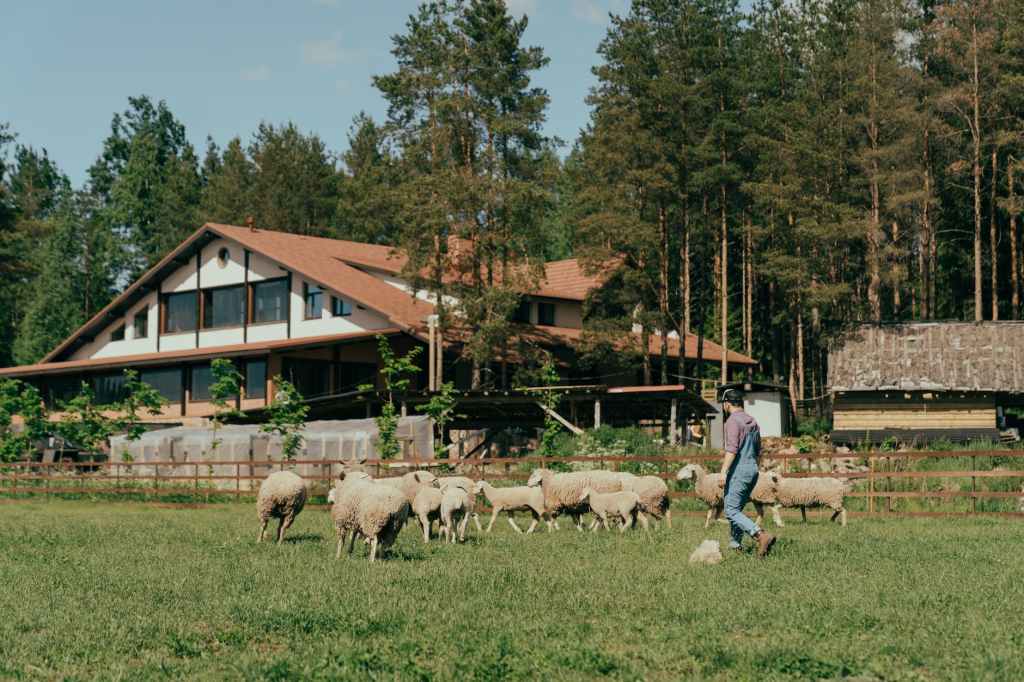
Off-grid living, also known as self-sufficient living, is a lifestyle that involves living in a manner that is independent of the mainstream public utilities, such as electricity, water, and sewage. It is a lifestyle that requires individuals to provide for their own needs through alternative methods, such as solar power, rainwater harvesting, and composting toilets. In this blog post, we will explore the advantages and challenges of off-grid living.
Advantages of Off-Grid Living
- Energy Independence: Off-grid living allows individuals to generate their own electricity using renewable energy sources, such as solar power and wind turbines. This means that they are not dependent on the power grid, and they have control over their energy supply.
- Cost Savings: Off-grid living can save individuals money in the long run. While the initial setup costs may be higher than connecting to the power grid, the ongoing costs of maintaining and paying for utilities are eliminated.
- Environmental Benefits: Off-grid living reduces an individual’s carbon footprint, as they are not relying on fossil fuels for energy. This lifestyle promotes the use of renewable energy sources and encourages sustainable living practices.
- Increased Self-Sufficiency: Off-grid living encourages individuals to be more self-sufficient, as they must provide for their own needs. This can include growing their own food, raising animals, and learning new skills, such as carpentry and plumbing.
Challenges of Off-Grid Living
- Initial Costs: The upfront costs of setting up an off-grid system can be expensive, as it requires the installation of solar panels, wind turbines, and other equipment. However, these costs can be offset over time by the savings on utilities.
- Limited Resources: Off-grid living requires individuals to be mindful of their resource consumption, as they may have limited access to water, fuel, and food. This can require lifestyle changes and adaptations.
- Maintenance: Off-grid systems require ongoing maintenance, which can be time-consuming and require specialized knowledge. This can be a challenge for those who are not skilled in technical areas.
- Isolation: Off-grid living can be isolating, as individuals may be living in remote areas without access to the amenities and social opportunities that come with urban living.
In conclusion, off-grid living is a lifestyle that offers many benefits, including energy independence, cost savings, and environmental benefits. However, it also comes with challenges, such as high initial costs, limited resources, ongoing maintenance, and isolation. Ultimately, the decision to live off-grid requires careful consideration of one’s values, goals, and resources, as well as a willingness to adapt to a new way of life.
 Hippies and Heathens