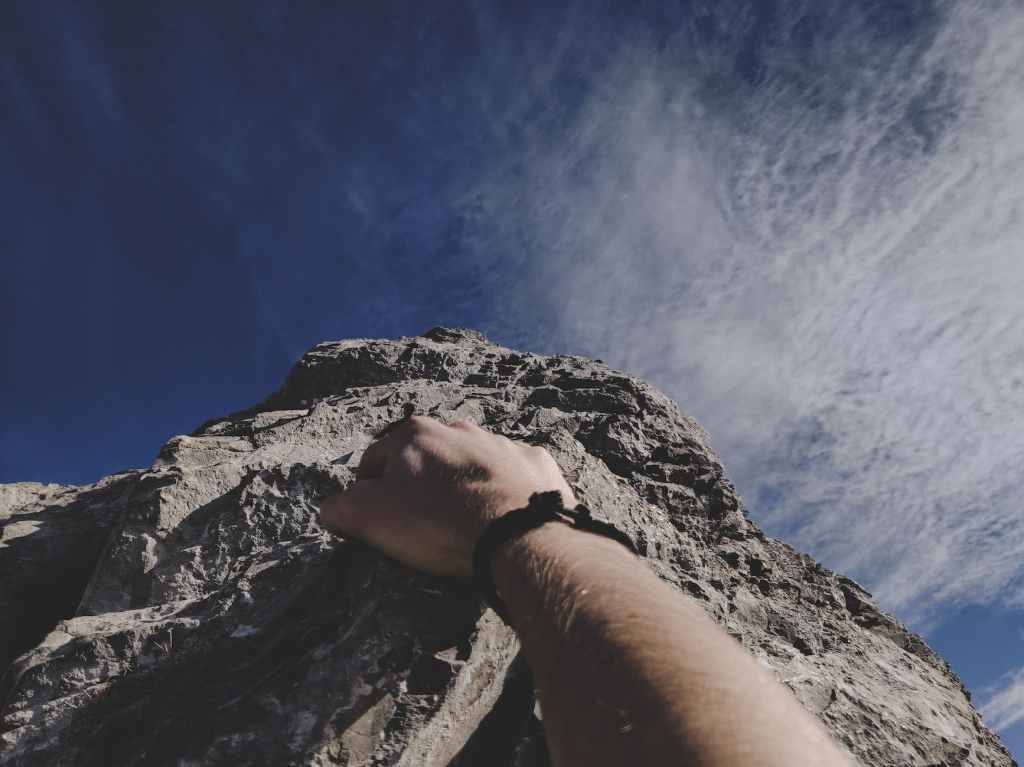
Free solo climbing, also known as soloing, is a type of rock climbing that involves ascending a climbing route without the use of any ropes or protective equipment. This means that if a climber falls, they have nothing to prevent them from plummeting to the ground, which can result in serious injury or even death.
While free solo climbing has been around for decades, it gained mainstream attention in 2018 with the release of the documentary film “Free Solo,” which followed climber Alex Honnold as he attempted to free solo the 3,000-foot vertical face of El Capitan in Yosemite National Park.
While some people may see free solo climbing as a reckless and dangerous activity, others argue that it requires an incredible amount of skill, focus, and preparation. Here are some key things to know about free solo climbing:
- It requires immense physical and mental preparation.
Free solo climbers need to be in top physical shape, as they rely solely on their strength and agility to make their way up the climbing route. They also need to be mentally prepared to face the challenges and dangers of soloing, which can include exposure to extreme heights, unpredictable weather conditions, and the potential for falling.
- It’s not for everyone.
Free solo climbing is an incredibly risky activity, and it’s not something that should be attempted by novice or inexperienced climbers. Even experienced climbers may not be suited for free soloing, as it requires a unique set of skills and a certain level of fearlessness.
- There is no room for error.
Because free solo climbers don’t use any protective equipment, there is no margin for error. One mistake can be fatal, which means that free solo climbers need to be extremely careful and deliberate in their movements.
- It’s not just about adrenaline.
While the thrill of free solo climbing can be a powerful motivator for some climbers, many soloists also see it as a way to test their limits and push themselves to new heights (literally). Some climbers also find the intense focus required for soloing to be a meditative and rewarding experience.
- Safety is still important.
While free solo climbing does not involve any ropes or protective equipment, that doesn’t mean that safety is ignored. Most free solo climbers spend countless hours practicing on easier routes and building up their skills and confidence before attempting more challenging climbs. They also typically choose routes that they are familiar with and have thoroughly inspected beforehand.
In conclusion, free solo climbing is an extremely dangerous activity that should not be taken lightly. While it requires an incredible amount of skill, focus, and preparation, the risks involved mean that it’s not something that should be attempted by most climbers. However, for those who are experienced and prepared, free solo climbing can be an exhilarating and rewarding challenge
 Hippies and Heathens