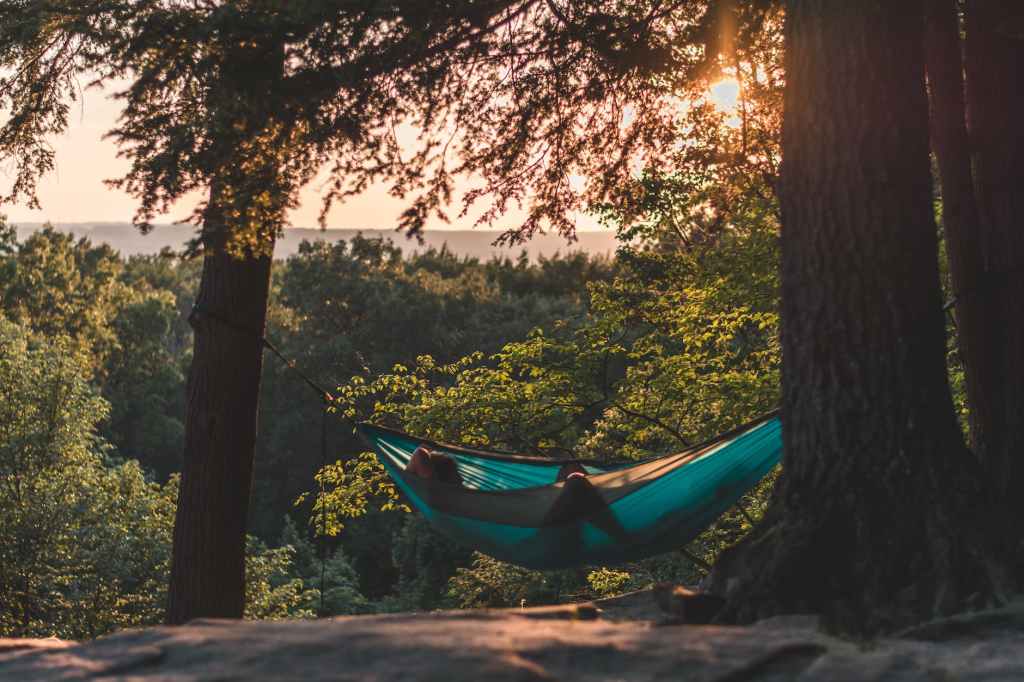
Camping is a great way to escape the hustle and bustle of daily life and reconnect with nature. Whether you’re a seasoned camper or a first-timer, you may be familiar with traditional tent camping. But have you ever considered hammock camping?
Hammock camping is an alternative to tent camping that involves sleeping in a suspended hammock rather than on the ground in a tent. It may sound unusual, but it has several advantages over traditional tent camping.
Firstly, hammock camping allows you to sleep comfortably off the ground, which can be a game-changer if you’re camping in an area with uneven or rocky terrain. Sleeping in a hammock also provides a more natural sleeping position and can reduce pressure points on your body, resulting in a better night’s sleep.
Hammock camping also takes up less space than tent camping, which can be an advantage if you’re camping in a crowded area or want to set up camp quickly. Hammocks are also lightweight and easy to pack, making them a great option for backpackers or hikers.
Another advantage of hammock camping is that it allows you to camp in areas where traditional tent camping may not be possible, such as rocky or sloping terrain, or areas with a lot of underbrush. This makes hammock camping a versatile option for any camping trip.
If you’re interested in trying hammock camping, here are a few things to keep in mind:
- Choose the Right Hammock There are several types of hammocks available, from ultralight options for backpacking to more comfortable models for car camping. Look for a hammock that is sturdy and made of durable materials, such as nylon or polyester.
- Invest in Good Straps To hang your hammock, you’ll need a set of straps or ropes. Look for straps that are strong and easy to set up. Some hammocks come with straps included, but you can also purchase them separately.
- Check Local Regulations Before you head out to your camping spot, make sure that hammock camping is allowed in the area. Some campsites may have specific regulations regarding hammock camping, so it’s important to do your research beforehand.
- Practice Setting Up Your Hammock Setting up a hammock can take some practice, especially if you’re new to hammock camping. Before you head out on your camping trip, try setting up your hammock in your backyard or a local park to get the hang of it.
- Bring Extra Insulation When sleeping in a hammock, you may be more exposed to the elements than you would be in a tent. Make sure to bring extra insulation, such as a sleeping pad or underquilt, to stay warm and comfortable throughout the night.
In conclusion, hammock camping is a great alternative to traditional tent camping that offers several advantages. It allows you to sleep comfortably off the ground, takes up less space, and can be used in a variety of camping environments. With the right equipment and preparation, hammock camping can be a fun and relaxing way to enjoy the great outdoors.
 Hippies and Heathens