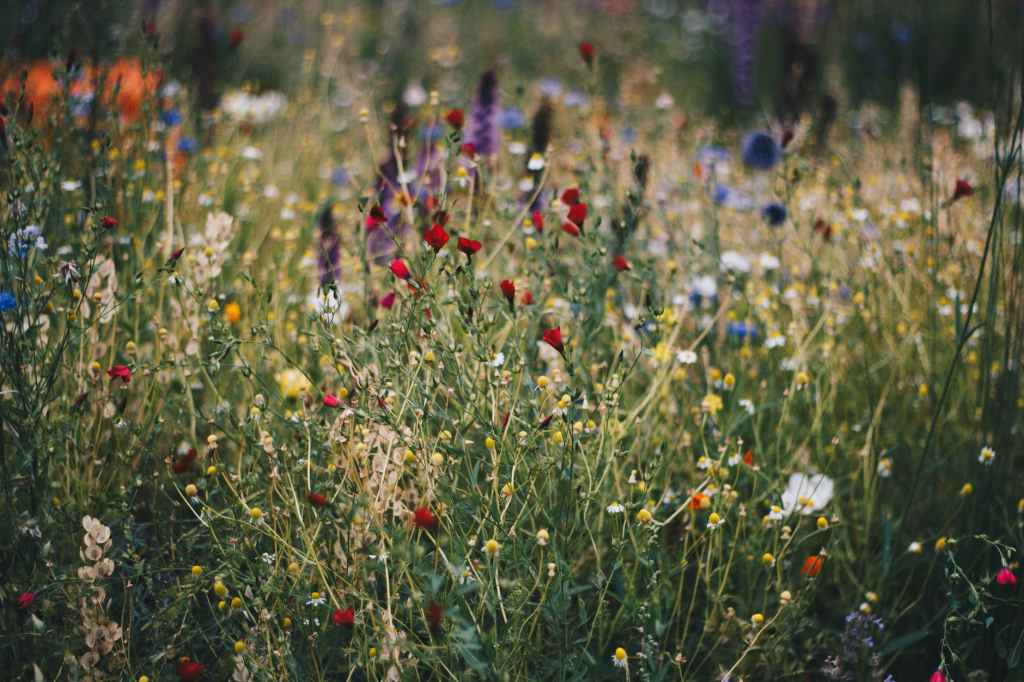
Wildflowers are often admired for their beauty and delicate nature, but did you know that many species are also edible? Adding edible wildflowers to your meals can not only add a pop of color but also a unique and delicious flavor. In addition, many wildflowers are packed with nutrients, making them a healthy addition to your diet.
Before you start foraging for wildflowers, it’s important to do your research and make sure you’re only consuming safe and edible species. Some flowers can be toxic or cause allergic reactions, so it’s important to identify them correctly before consuming. It’s also important to only pick flowers from areas that haven’t been sprayed with pesticides or herbicides, and to never pick from protected areas or private property without permission.
Here are a few edible wildflowers to consider incorporating into your meals:
- Dandelion
You may think of dandelions as pesky weeds, but they’re actually a nutritious and versatile plant. The leaves can be used in salads or sautéed like spinach, and the flowers can be used to make tea or even fried into fritters. Dandelions are a good source of vitamin A, vitamin C, and potassium.
- Elderflower
The fragrant blooms of the elderflower are commonly used to make tea, syrup, and even wine. The flowers have a sweet, floral flavor that pairs well with fruit and citrus. Elderflowers are rich in antioxidants and are believed to have anti-inflammatory properties.
- Lavender
Lavender is often used in aromatherapy and skincare, but its flowers are also edible. The blooms have a slightly sweet and floral flavor and can be used in desserts, teas, and even savory dishes like roasted chicken. Lavender is known for its calming properties and may help with anxiety and insomnia.
- Violets
Violets are a common wildflower and are often used as a garnish for salads and desserts. The delicate flowers have a sweet, floral flavor and can be used to make jelly or syrup. Violets are a good source of vitamin C and antioxidants.
- Nasturtium
Nasturtiums are a colorful and peppery edible flower that can add a unique flavor to salads, sandwiches, and even cocktails. The flowers are rich in vitamin C and are believed to have antibacterial properties.
Incorporating edible wildflowers into your meals is a great way to add flavor and nutrition to your diet. Just be sure to do your research and only consume safe and edible species. And remember, when foraging, only take what you need and leave enough for the plant to continue to thrive.
 Hippies and Heathens