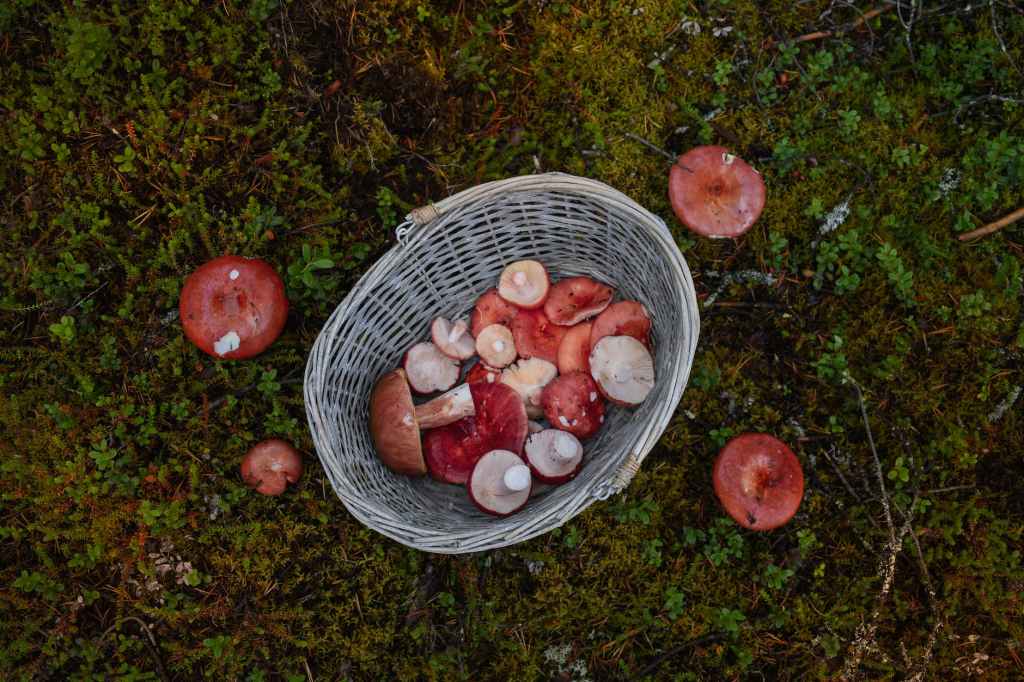
For thousands of years, humans have relied on foraging for natural food as a way of sustaining themselves. In recent years, there has been a renewed interest in foraging as a way to reconnect with nature, and to source healthy, organic foods. But where do you begin? In this guide, we will provide you with some basic tips and guidelines for foraging in the wild.
- Safety First
The first rule of foraging is to always put safety first. You need to be absolutely sure that the plant you are about to pick is edible. Some plants can be toxic, and even a small amount can cause serious illness or death. Make sure you do your research and are familiar with the plants in your area. If you are unsure, seek advice from an experienced forager, or better yet, attend a foraging course.
- Location
The second rule of foraging is to know where to look for edible plants. Most edible plants grow in wild, uncultivated areas, such as forests, fields, and meadows. Some plants may grow on the edges of paths or trails. Avoid areas that may have been contaminated by pollution or chemicals.
- Season
The third rule of foraging is to know when to look for edible plants. Different plants grow at different times of the year, so it is important to know when to look for them. For example, in the spring you can look for wild garlic, nettles, and dandelion leaves, while in the summer you can find elderflowers, blackberries, and raspberries.
- Harvesting
When harvesting plants, it is important to take only what you need, and to leave enough for the plant to regenerate. You should also be mindful of the environment, and not damage other plants or habitats while foraging. Use a pair of scissors or a knife to cut the plants, and avoid pulling them out by the roots.
- Preparation
Once you have harvested your foraged plants, it is important to clean and prepare them properly. Wash them thoroughly to remove any dirt or insects, and trim away any unwanted parts. Some plants may need to be cooked before eating, while others can be eaten raw.
- Enjoying Your Foraged Food
Foraged food can be enjoyed in many different ways. You can use it to make salads, soups, stews, or even jams and jellies. You can also use it to add flavor to other dishes, such as meat or fish. Foraging can be a fun and rewarding way to connect with nature, and to source healthy, organic foods. Just remember to always put safety first, and to respect the environment. Happy foraging!
 Hippies and Heathens