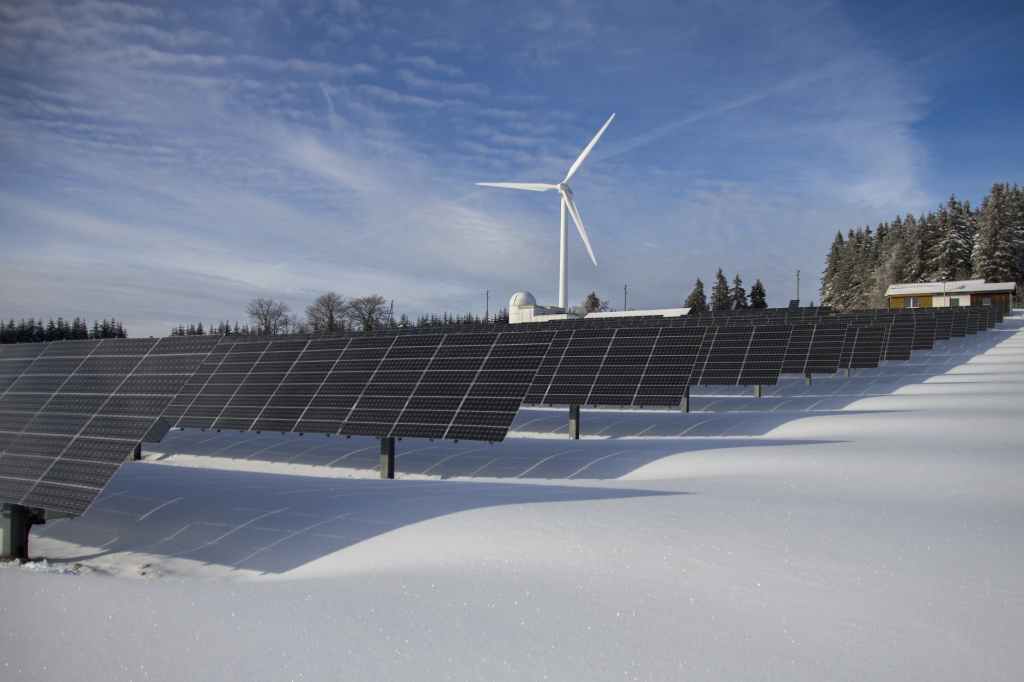
Off-grid living is becoming increasingly popular as people look for ways to reduce their carbon footprint and live more sustainably. One of the biggest challenges of off-grid living is generating electricity, and two of the most popular renewable energy sources for this purpose are wind and solar energy. In this blog post, we’ll compare wind vs solar energy for off-grid living, including their benefits and drawbacks.
Solar Energy for Off-Grid Living
Solar energy is the most popular form of renewable energy for off-grid living, and for good reason. It’s relatively easy to install, requires little maintenance, and is completely silent, making it an ideal choice for people who want to live in peace and quiet. Here are some of the benefits and drawbacks of solar energy for off-grid living:
Benefits of Solar Energy for Off-Grid Living:
- Cost-effective: Solar panels are relatively cheap, and once installed, they require very little maintenance. This means that the initial investment will quickly pay for itself.
- Easy to install: Solar panels can be installed on roofs or in yards, and do not require any complicated wiring or installation processes.
- Silent: Unlike wind turbines, solar panels do not make any noise, which is ideal for people who value peace and quiet.
Drawbacks of Solar Energy for Off-Grid Living:
- Limited output: Solar panels only generate electricity during daylight hours, which means that they are not an ideal choice for people who require a lot of electricity during the night.
- Weather-dependent: Solar panels are dependent on good weather conditions, and their output can be affected by clouds, rain, and snow.
Wind Energy for Off-Grid Living
Wind energy is another popular form of renewable energy for off-grid living. It’s ideal for people who live in windy areas and require a lot of electricity. Here are some of the benefits and drawbacks of wind energy for off-grid living:
Benefits of Wind Energy for Off-Grid Living:
- High output: Wind turbines can generate a lot of electricity, which is ideal for people who require a lot of energy.
- Reliable: Wind turbines can generate electricity 24 hours a day, making them an ideal choice for people who require electricity at all times.
- No weather dependency: Unlike solar panels, wind turbines are not dependent on good weather conditions, and can generate electricity even in harsh weather conditions.
Drawbacks of Wind Energy for Off-Grid Living:
- Cost: Wind turbines are expensive to install, and require a lot of maintenance, which can make them a less cost-effective choice than solar panels.
- Noisy: Wind turbines can generate a lot of noise, which can be a problem for people who value peace and quiet.
- Complicated installation: Wind turbines require specialized installation and wiring, which can make them more difficult to install than solar panels.
Conclusion
When it comes to choosing between wind vs solar energy for off-grid living, there is no clear winner. Both forms of renewable energy have their benefits and drawbacks, and the choice ultimately comes down to personal preference and the specific needs of the individual. If you require a lot of electricity and live in a windy area, wind energy may be the best choice for you. If you value peace and quiet and require a more cost-effective option, solar energy may be the best choice. Ultimately, the goal is to choose the form of renewable energy that will best meet your needs while allowing you to live sustainably and off the grid.
 Hippies and Heathens