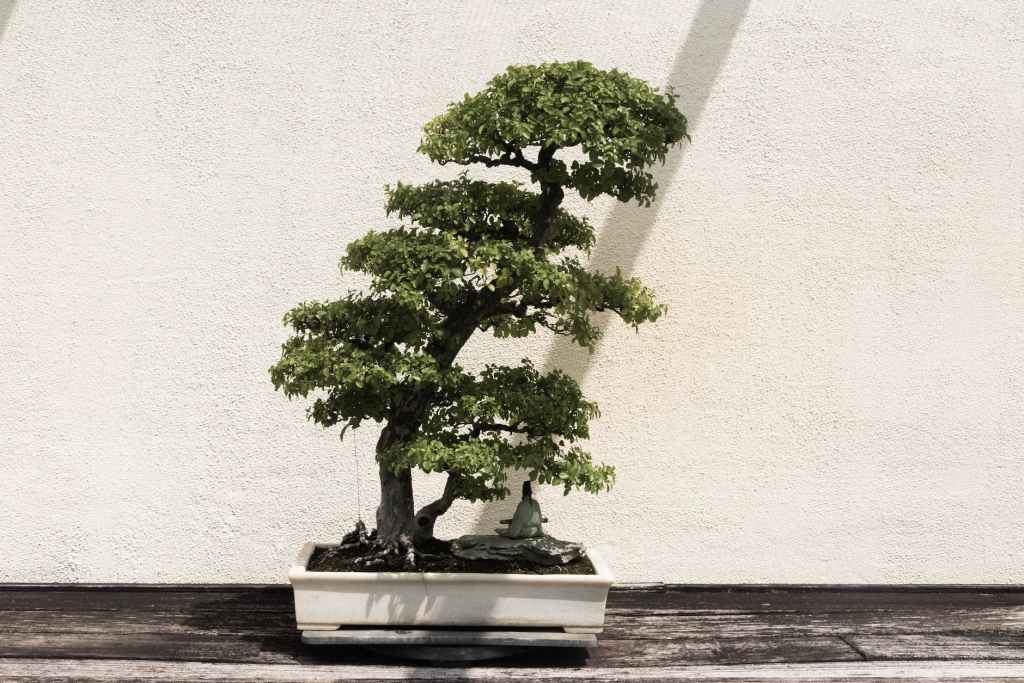
Bonsai, the ancient Japanese art of growing miniature trees, has captivated the hearts of enthusiasts worldwide. The meticulous process of shaping and nurturing these tiny trees offers a sense of tranquility and a deep connection with nature. In this blog post, we will explore the art of bonsai, providing you with practical tips on how to create and care for these living masterpieces.
- Selecting the Right Tree for Bonsai:
- Research and explore: Familiarize yourself with different tree species suitable for bonsai cultivation. Consider factors like climate compatibility, growth patterns, and visual appeal.
- Nurseries and specialized suppliers: Visit local nurseries or bonsai specialty stores to find young trees specifically grown for bonsai purposes. These trees typically have desirable characteristics such as small leaves and fine branching.
- Understanding Basic Bonsai Techniques:
- Pruning: Regular pruning is essential for shaping your bonsai. Use sharp bonsai pruning shears to trim branches, foliage, and roots. Pruning encourages back-budding and helps maintain the desired size and proportions.
- Wiring: Wiring allows you to bend and position branches to achieve the desired shape. Use aluminum or copper wire of appropriate thickness and gently wrap it around branches, being careful not to damage or constrict them.
- Repotting: Bonsai trees require periodic repotting to provide fresh soil and ensure adequate root development. Repotting should be done during the tree’s dormant period and with a suitable bonsai soil mix to promote proper drainage and root health.
- Providing Optimal Care for Bonsai:
- Watering: Bonsai trees have specific watering requirements. Check the moisture level in the soil regularly and water when the soil feels slightly dry. Avoid overwatering or allowing the soil to dry out completely.
- Sunlight and Temperature: Place your bonsai in a location that receives the appropriate amount of sunlight based on the tree species. Most bonsai trees prefer bright, indirect sunlight. Ensure proper ventilation and protect the tree from extreme temperatures.
- Fertilization: Regular fertilization is crucial for bonsai health and growth. Use a balanced, slow-release bonsai fertilizer or organic alternatives during the growing season. Follow the recommended dosage and frequency according to the tree’s specific needs.
- Pruning and Shaping: Continuously shape and prune your bonsai to maintain its desired form. Remove unwanted branches, redirect growth, and trim foliage to achieve balance and harmony. Keep in mind the natural growth habits of the tree species you are working with.
- Disease and Pest Control: Monitor your bonsai for signs of pests or diseases. Early detection is vital for effective treatment. Use appropriate organic or chemical treatments to address any issues promptly.
- Patience and Dedication:
- Bonsai cultivation is a long-term commitment that requires patience and dedication. Trees take years, even decades, to develop their desired aesthetic and character. Enjoy the journey and embrace the gradual transformation of your bonsai over time.
Conclusion: Creating and caring for bonsai trees is a rewarding and meditative endeavor. Through proper selection, understanding basic techniques, and providing optimal care, you can cultivate your own miniature masterpiece. Remember that bonsai is an art form that requires continuous learning, observation, and adjustment. Enjoy the process, appreciate the beauty of your bonsai, and let it inspire tranquility and harmony in your life.
 Hippies and Heathens